

Fresh environment news from the Netherlands
Provided by AGP
Plant-based seafood market seen topping $1 billion by 2033
May 4, 2026
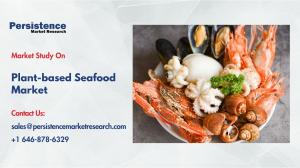
By AI, Created 9:51 AM UTC, May 20, 2026, /AGP/ – The global plant-based seafood market is projected to grow from $711.1 million in 2026 to $1.014 billion by 2033, driven by sustainability concerns, food-tech advances and rising demand for alternative protein. North America leads now, while Asia-Pacific is expected to grow fastest over the forecast period.
Why it matters: - Plant-based seafood is moving from niche to mainstream as consumers look for lower-impact protein options. - The category is tied to broader concerns about overfishing, marine ecosystem damage and the carbon footprint of conventional seafood. - The market could create room for new products, new supply chains and more investment in alternative proteins.
What happened: - The global plant-based seafood market is projected to reach $1,014.0 million by 2033. - The market is forecast to be worth $711.1 million in 2026. - The forecast implies a 5.2% compound annual growth rate from 2026 to 2033. - The release was published May 4, 2026, from Brentford, England, United Kingdom.
The details: - The market covers fish alternatives, shrimp and prawn alternatives, crab alternatives and other products. - Ingredient sources include soy, pea protein, wheat, algae and seaweed, plus other inputs. - Sales channels include supermarkets and hypermarkets, online stores, specialty stores and other outlets. - North America currently leads the market, supported by a mature alternative protein sector, high consumer awareness and a strong base of key players. - The United States has become a hub for plant-based food innovation, backed by R&D investment and a startup ecosystem. - Europe ranks next, helped by strict environmental rules, sustainable food adoption and a growing vegan population. - Germany, the United Kingdom and the Netherlands are seeing strong demand. - Asia-Pacific is expected to be the fastest-growing region during the forecast period. - China, Japan and South Korea are key demand centers, driven by urbanization, rising incomes and seafood-heavy diets. - Safety concerns, including contamination and overfishing, are pushing some consumers toward alternatives. - Product development is centered on taste, texture, appearance and nutrition. - Manufacturers are using extrusion, fermentation and 3D food printing to make products more realistic. - AI is being used to analyze consumer preferences, improve ingredient formulas and speed up product development. - IoT tools are improving traceability, quality control and inventory management. - Cellular agriculture and precision fermentation are opening the door to hybrid seafood products. - The report lists Good Catch Foods, New Wave Foods, Ocean Hugger Foods, Sophie’s Kitchen, Gardein, The Plant Based Seafood Co., Impossible Foods, Nestlé, Quorn Foods, Loma Linda/TUNO, OmniFoods and BlueNalu as key players.
Between the lines: - The forecast suggests plant-based seafood is being pulled by both values-driven buyers and practical food-industry innovation. - Regulatory pressure on sustainability and marine protection is likely helping the category gain credibility. - Cost declines from scale and better technology could be important for wider adoption beyond early adopters. - The strongest growth story appears to be in markets where seafood is culturally important but consumers are also more worried about safety and sustainability.
What’s next: - Market growth will likely depend on whether brands can match conventional seafood on taste, price and convenience. - Expansion in Asia-Pacific, Latin America and the Middle East is expected to hinge on localization and affordability. - Partnerships among food makers, tech firms and researchers are likely to shape the next wave of product development. - The report points readers to free sample report, customization request and full report checkout.
Disclaimer: This article was produced by AGP Wire with the assistance of artificial intelligence based on original source content and has been refined to improve clarity, structure, and readability. This content is provided on an “as is” basis. While care has been taken in its preparation, it may contain inaccuracies or omissions, and readers should consult the original source and independently verify key information where appropriate. This content is for informational purposes only and does not constitute legal, financial, investment, or other professional advice.
Sign up for:
Environment Post Netherlands
The daily local news briefing you can trust. Every day. Subscribe now.
Check Your Email!
We sent a one-time activation link to: .
Confirm it's you by clicking the email link.
If the email is not in your inbox, check spam or try again.
Welcome back!
is already signed up. Check your inbox for updates.